

Grow a Garden 2 looks simple at first, but once you unlock mutations, pets, weather events, sprinklers, and nighttime thieves, there’s far more strategy involved than just planting seeds. I made plenty of expensive mistakes when I first started, from planting rare crops too early to ignoring sprinklers, and those lessons helped me realize where the real profits come from.
Whether you’re a beginner trying to earn your first few thousand Sheckles or an experienced player looking to optimize your garden, these Grow a Garden 2 tips and tricks will help you make money faster while avoiding common mistakes.
Invest in Sprinklers Before Anything Else
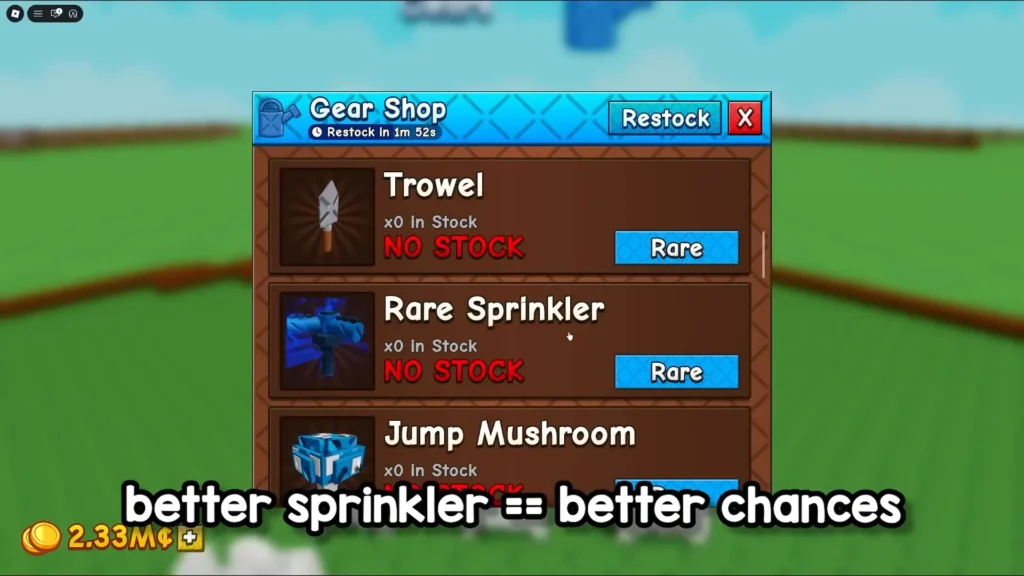
If there’s one upgrade I always recommend buying early, it’s sprinklers. Sprinklers increase crop size, which directly increases their selling price. They also help plants grow more efficiently, making them one of the best long-term investments in Grow a Garden 2.
Instead of spending your early Sheckles on cosmetic props or decorations, save up for sprinklers whenever they appear in the Gear Shop.
Keep in mind that Super Sprinklers already provide the maximum size bonus by themselves, so stacking every sprinkler isn’t always necessary once you unlock one.
Prioritize Multi-Harvest Crops
One of the biggest mistakes new players make is spending most of their money on single-harvest crops (like Carrots). While they’re cheap and grow quickly, you’ll constantly have to buy more seeds after every harvest.
Instead, focus on multi-harvest plants as soon as they become available in the Seed Shop. These crops continue producing fruit over time, giving you a much better return on your investment.
Although single-harvest crops are useful for getting started, multi-harvest plants become your primary source of income during the mid and late game.
Save Rare Seeds for Weather Events
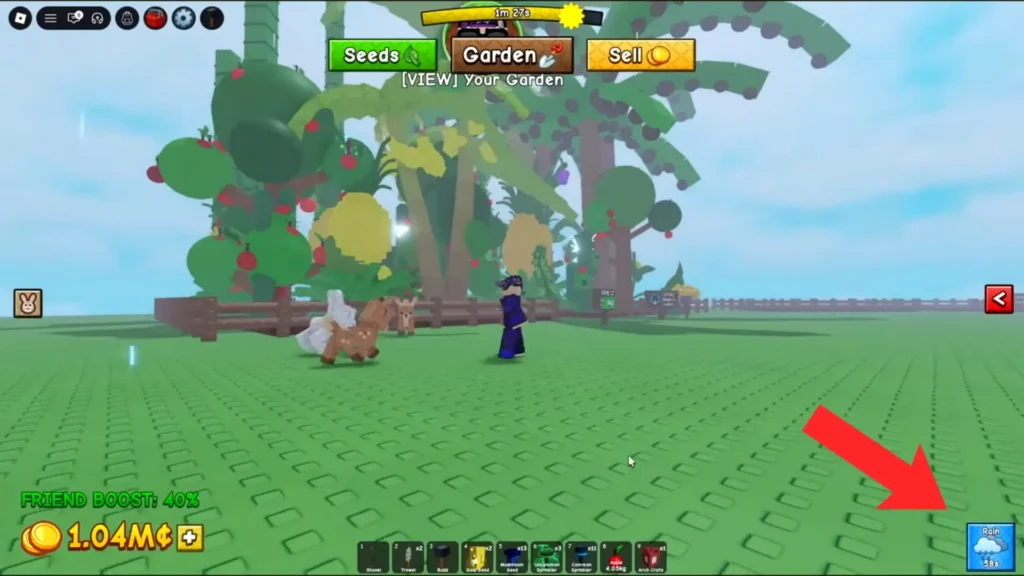
Planting your rarest seeds immediately might feel rewarding, but patience usually pays better. Weather events significantly increase your chances of obtaining valuable crop mutations.
Waiting until rain, lightning, or other special events begin gives expensive crops a much better opportunity to receive high-value modifiers before you harvest them. Since rare seeds are harder to replace, maximizing their mutation potential is usually worth the wait.
Keep Checking the Seed Shop
The Seed Shop refreshes regularly, and some of the game’s best seeds only remain available for a limited time. I’ve missed several valuable restocks simply because I was busy harvesting crops. Ever since then, I make it a habit to quickly check the shop whenever it refreshes.
Popular seeds like Bamboo, Mushrooms, and other high-value plants can disappear quickly, so frequent visits often pay off.
Bamboo Is Excellent for Early Progression
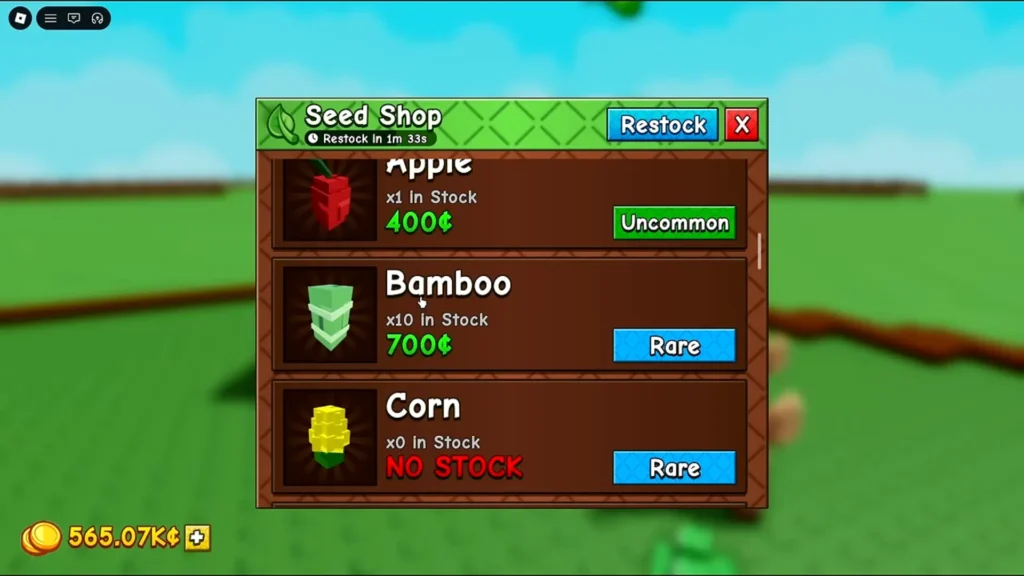
If you’re still building your first fortune, Bamboo remains one of the strongest early-game investments. It grows quickly, sells for a surprisingly high amount, and becomes even more valuable when combined with sprinklers or mutations.
While Bamboo has received balancing changes over time, it’s still one of the fastest ways for new players to build enough capital for better seeds, pets, and gear.
Don’t Harvest Crops Immediately
Just because a crop is fully grown doesn’t mean you should instantly collect it. Waiting for mutations can dramatically increase its selling price.
Gold, Rainbow, Lightning, Frozen, and other mutations multiply crop values far beyond their normal worth. Unless you urgently need Sheckles, letting valuable crops sit for a while is usually the smarter decision.
Harvest Valuable Mutations Before Waiting Too Long

There’s a balance between patience and greed. When a crop already has an excellent mutation, it’s often better to harvest it instead of endlessly waiting for something better.
Holding mutated crops forever only slows down future harvests and prevents new fruits from spawning. Selling strong mutations consistently usually results in better long-term profits than chasing perfect combinations.
Choose Pets That Improve Your Garden
Not every pet offers the same value. Some pets simply provide movement bonuses, while others directly improve farming efficiency through faster growth, better mutations, or increased profitability.
Early on, movement pets like Bunny are helpful, but as your garden expands, growth-focused pets become much more valuable. Before spending thousands of Sheckles, always check what a pet actually contributes to your garden.
Group Your Valuable Plants Together
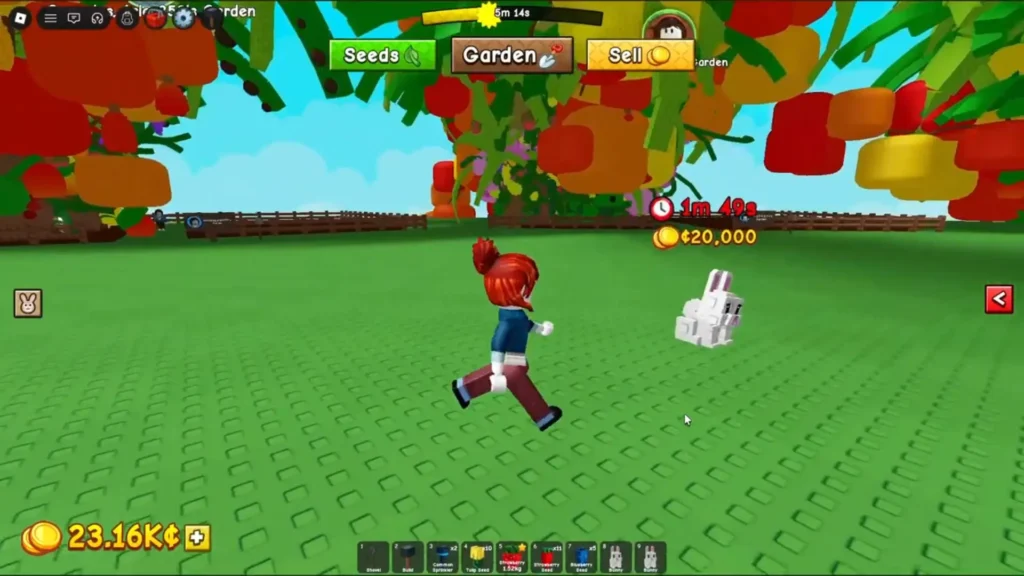
Many experienced players organize expensive crops in a single section of their garden. This makes it much easier to:
- Cover multiple plants with one sprinkler.
- Water everything more efficiently.
- Harvest large groups quickly.
- Maximize area-based mutation events like lightning.
Keeping valuable plants close together also reduces the amount of equipment you’ll need.
Watch the Weather Forecast
Weather isn’t just a visual flair, it also directly affects your profits. Rain accelerates growth, while certain weather events dramatically improve mutation chances. Lightning, in particular, can mutate multiple nearby crops at once if they’re planted close together.
Whenever a special weather event begins, focus your attention on your most valuable plants instead of harvesting everything immediately.
Protect Your Garden at Night
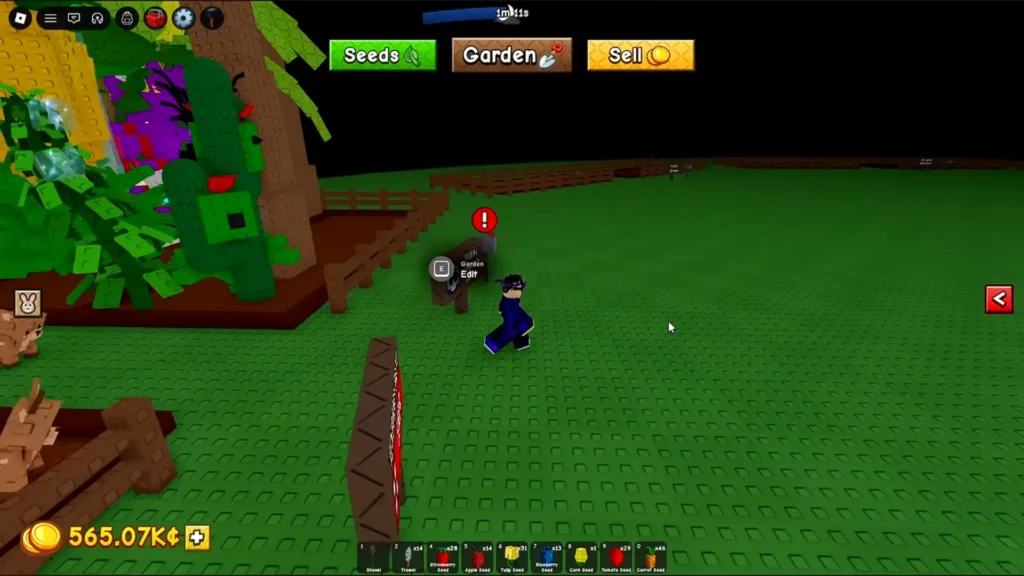
Other players can steal crops if your garden isn’t properly defended, making protection one of the most overlooked mechanics in the game.
Using fences, defensive props, traps, and protective plants can discourage thieves and save hours of farming. If you know night is approaching, spend a few moments securing your garden before leaving it unattended.
Fix Decaying Plants Immediately
Decay is one of the newest mechanics introduced in Grow a Garden 2, but thankfully it’s easy to manage. Whenever you notice crops beginning to decay, simply use a Watering Can to restore them.
Ignoring decay lowers your crop’s value, while fixing it only takes a few seconds and costs very little. I always keep a watering can nearby because it’s one of the easiest ways to prevent unnecessary losses.
Never Skip Free Rewards

Free rewards might not seem exciting individually, but they add up surprisingly fast. Always remember to:
- Redeem the latest Grow a Garden 2 codes.
- Claim guild rewards.
- Check your mailbox.
- Participate in giveaways and voting events.
- Complete daily objectives.
Many players overlook these rewards, but they often provide free seeds, boosts, and resources that save thousands of Sheckles later.
Join Every Limited-Time Event
Special events consistently offer some of the best rewards in Grow a Garden 2. Besides increased mutation opportunities, events can reward exclusive seeds, powerful gear, Gold Seeds, Rainbow Seeds, and other limited-time collectibles.
Even if you’re busy farming, it’s almost always worth taking a short break to participate before the event ends.
Final Thoughts
Grow a Garden 2 rewards smart planning much more than constant grinding. Investing in sprinklers, saving rare seeds for weather events, choosing useful pets, and protecting your garden will help you earn far more Sheckles than simply planting whatever you can afford.
From my experience, the biggest difference between average and wealthy players isn’t luck, but rather it’s knowing when to plant, when to wait, and when to harvest. Master those fundamentals, and your garden will continue growing even as the game introduces new seeds, pets, and events.
FAQs
What is the best way to make money in Grow a Garden 2?
Focus on multi-harvest crops, invest in sprinklers early, take advantage of mutations during weather events, and participate in limited-time events for valuable rewards.
Should I harvest crops immediately in Grow a Garden 2?
Not always. Waiting for valuable mutations can significantly increase a crop’s selling price, but once you get a strong mutation, it’s usually best to harvest and plant again.
Are sprinklers worth buying early?
Yes. Sprinklers increase crop size and overall profits, making them one of the best early-game investments.
How do I protect my crops from thieves?
Use fences, defensive props, traps, and protective plants, especially before nighttime begins when crop stealing becomes possible.
